The Psychology of the Portrait: Capturing the Human Behind the Lens
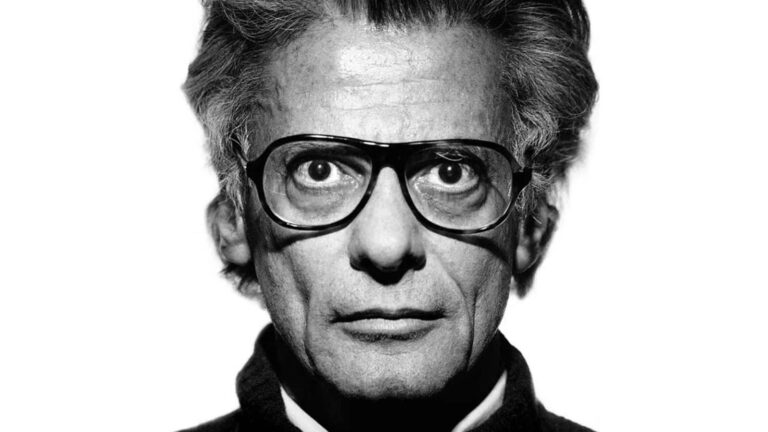
When we look at a great portrait, we rarely remember the focal length used, the lighting ratio, or the exact camera settings. What stays with us is an intangible resonance: a sense of intimacy, vulnerability, or raw truth that seems to look right back at us.
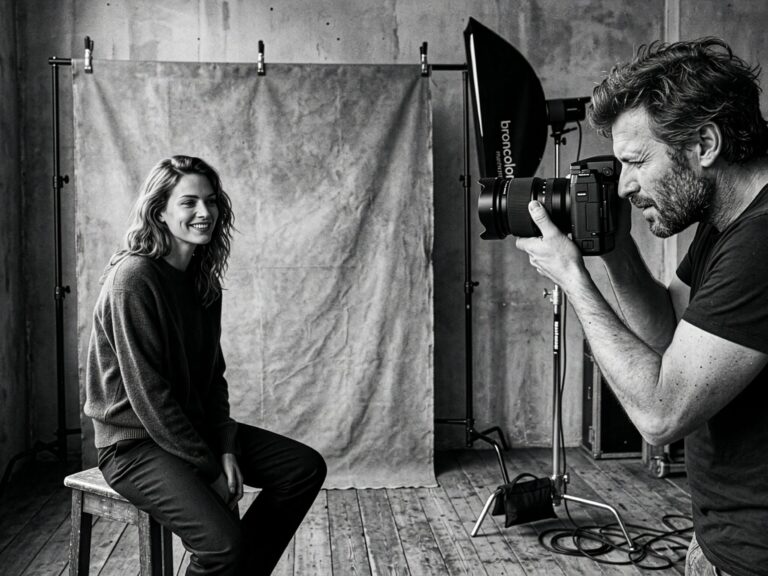
In both fashion editorial and documentary reportage, portraiture is rarely just a mechanical act of recording physical features. At its core, it is a psychological dialogue between two people mediated by a piece of glass.
1. Dissolving the Armor: The First Five Minutes
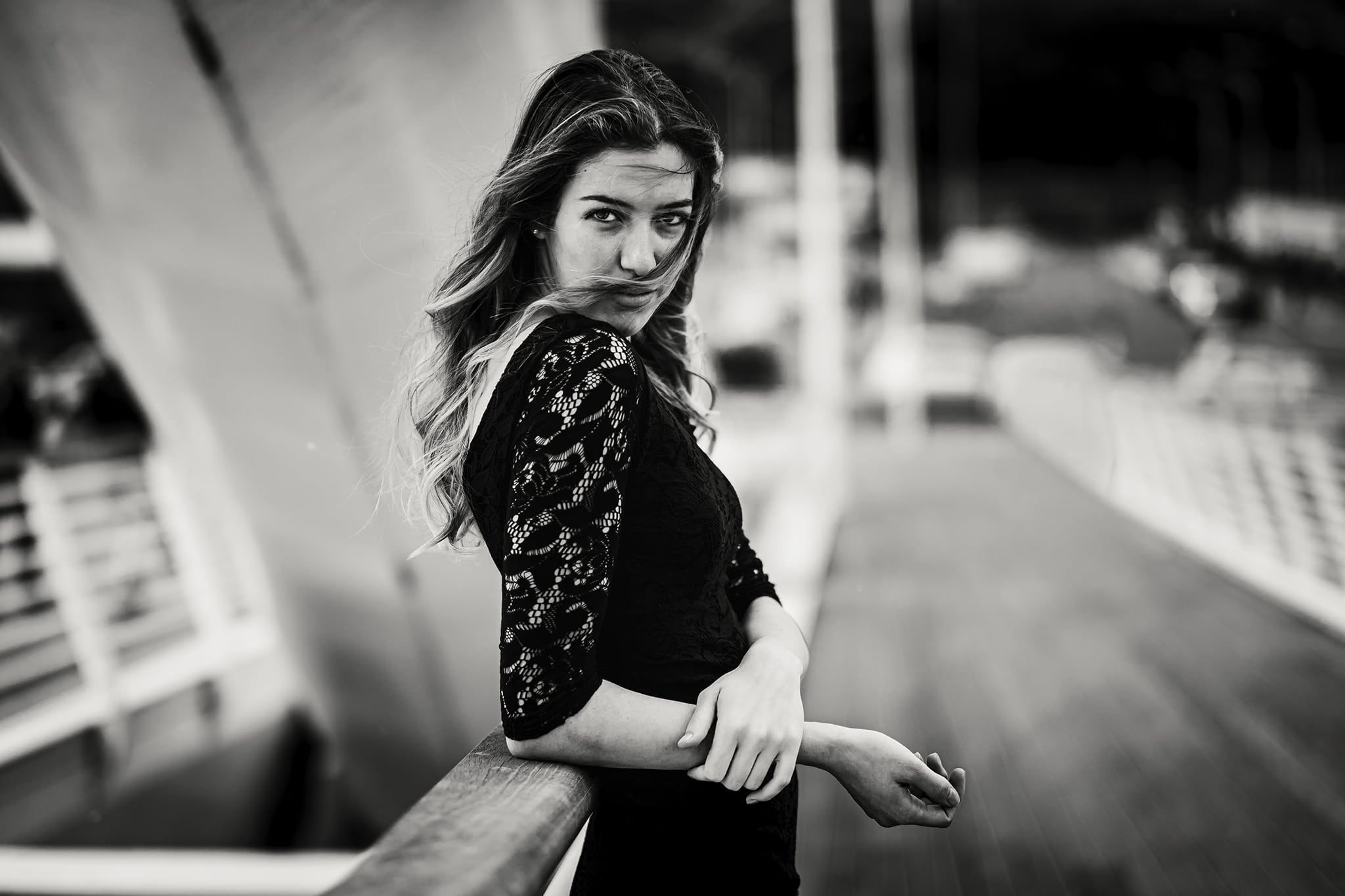
The moment a camera is raised, a psychological shift occurs. Most people instinctively put on an internal armor: a composed facial expression or a rigid posture designed to protect themselves from judgment.
The Barrier of Self-Consciousness: The subject becomes hyper-aware of how they look rather than how they feel.
The Role of the Photographer: The true work of a portrait photographer happens before the shutter clicks. It requires dismantling that defense mechanism through active listening, conversation, and a calm, reassuring presence.
Until the subject forgets the camera is there, you are merely photographing a performance.
2. The Camera as a Mirror
A portrait is never an objective document; it is a collaborative reflection. The energy, empathy, or tension that a photographer projects into the room directly shapes what the subject gives back.
Empathy as a Lens: If you approach a subject with impatience or a rigid checklist, the resulting image will feel cold and transactional.
Trust and Safety: When you establish an environment of absolute trust, the subject feels safe enough to drop their guard. It is in these quiet, unguarded intervals (between poses, when the breath slows down) that the authentic self surfaces.
3. Listening Over Directing
In reportage and conceptual portraiture alike, over-directing often kills spontaneity. Telling someone exactly how to smile, where to look, or how to hold their hands creates stiffness.
Guiding Rather Than Constraining: Instead of imposing a rigid script, it is far more effective to set a mood, through light, space, and gentle guidance, and let the subject inhabit it naturally.
Embracing Imperfection: A slight asymmetry in a glance, a tired gaze, or an uncalculated movement often carries infinitely more narrative weight than a textbook-perfect composition.
4. The Weight of Silence
In our modern hyper-connected lives, constant noise keeps our minds guarded. During a photoshoot, introducing moments of genuine silence can be transformative.
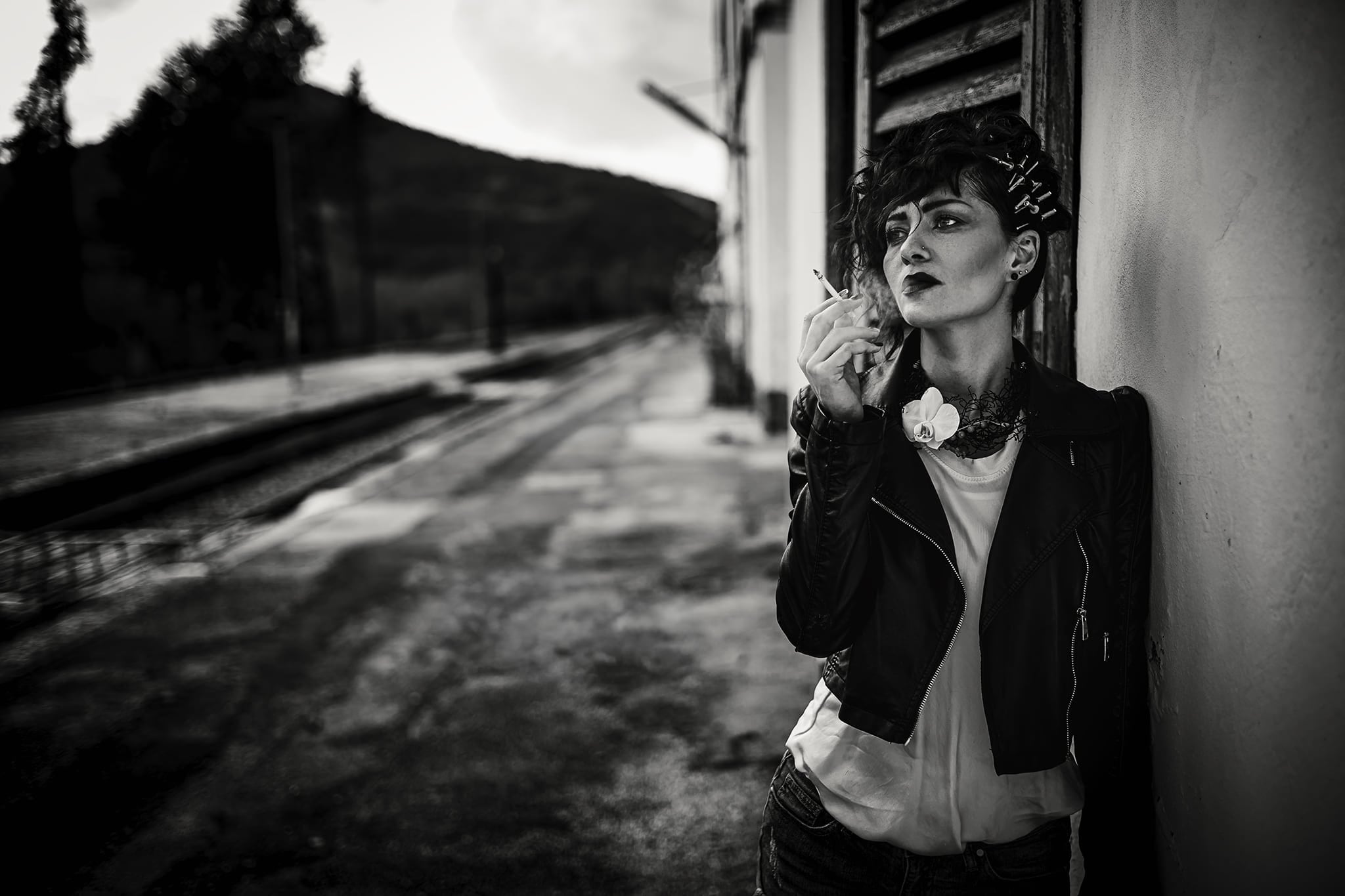
When the constant chatter stops, the subject is forced to look inward or simply exist in the space. That momentary stillness strips away the social mask, leaving behind a profound psychological clarity that translates powerfully onto the sensor or negative. This authentic vulnerability is ultimately what makes portrait photography so deeply compelling.
Final Thoughts
Mastering the technical aspects of light and composition is only half the journey. The true art of portraiture lies in understanding human psychology: recognizing when to speak, when to step back, and how to look past the surface to honor the person standing in front of you.