
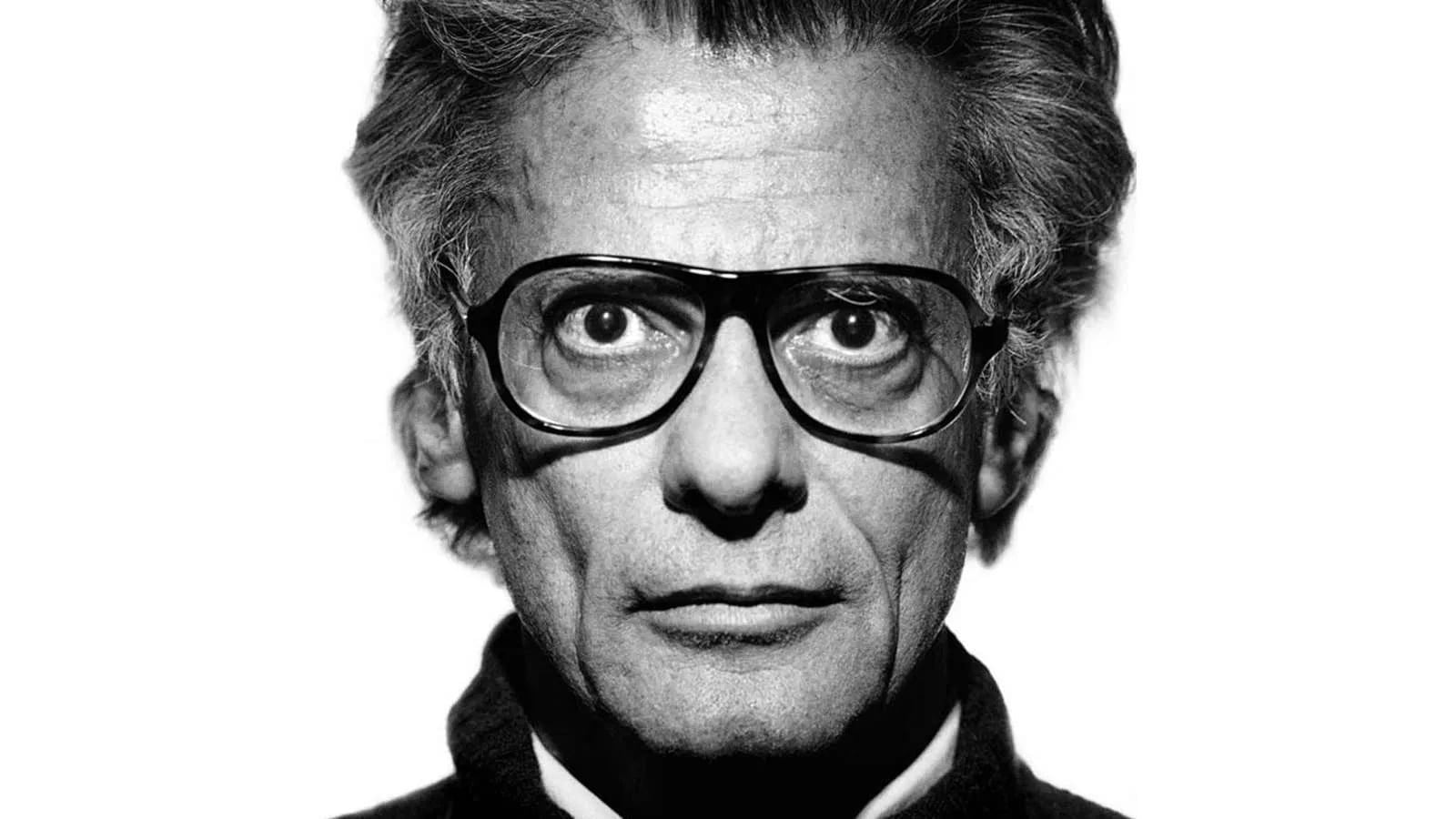
The Theater of Minimalism: Looking Back at the Legacy of Richard Avedon
Richard Avedon did not just take pictures of people; he dissected their presence. For over half a century, his camera stood as an uncompromising instrument of truth, elegance, and psychological tension. Whether he was redefining the boundaries of fashion photography or capturing the raw, unprotected vulnerability of portraits against a stark white backdrop, Avedon transformed the still image into a dramatic encounter. His subjects were never merely seen; they were profoundly revealed: every click was a confrontation with mortality and beauty alike. Today, his enduring legacy continues to shape how we understand the power of portraiture.
The Power of the White Background
Before Avedon, fashion photography was largely an exercise in context: models posed gracefully in ornate Parisian salons, on sun-drenched European streets, or inside luxurious interiors. Avedon disrupted this convention by stripping away the environment entirely.
By placing his subjects against an unadorned, stark white seamless paper background, he forced the viewer to confront the human element directly. Without the distractions of location, props, or narrative context, attention shifted entirely to posture, expression, and gesture. This minimalist approach turned the fashion shoot into an intimate portrait session, where the clothes mattered, but the personality wearing them mattered more.
Movement, Energy, and Rebellion
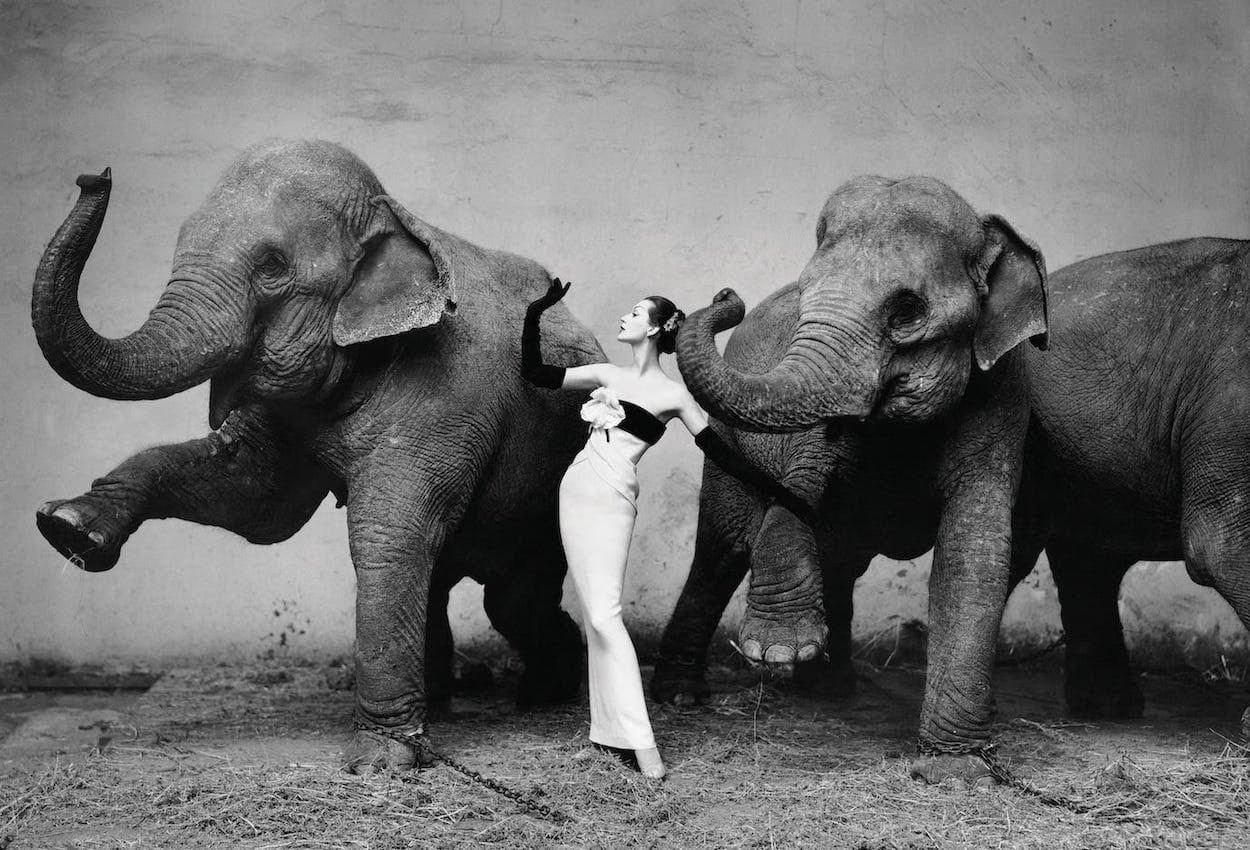
Avedon injected motion into a medium that had long been static. Inspired by the kinetic energy of theater and dance, he encouraged models to jump, run, and laugh mid-frame.
Dovima with Elephants (1955): One of his most iconic masterpieces, capturing haute couture juxtaposed against the raw, massive power of circus elephants, blending extreme elegance with surreal peril.
Breaking the Mold: His subjects weren’t rigid mannequins; they were dynamic, breathing individuals expressing a newfound sense of post-war liberation and modern rebellion.
The Intimate Unmasking of Portraits
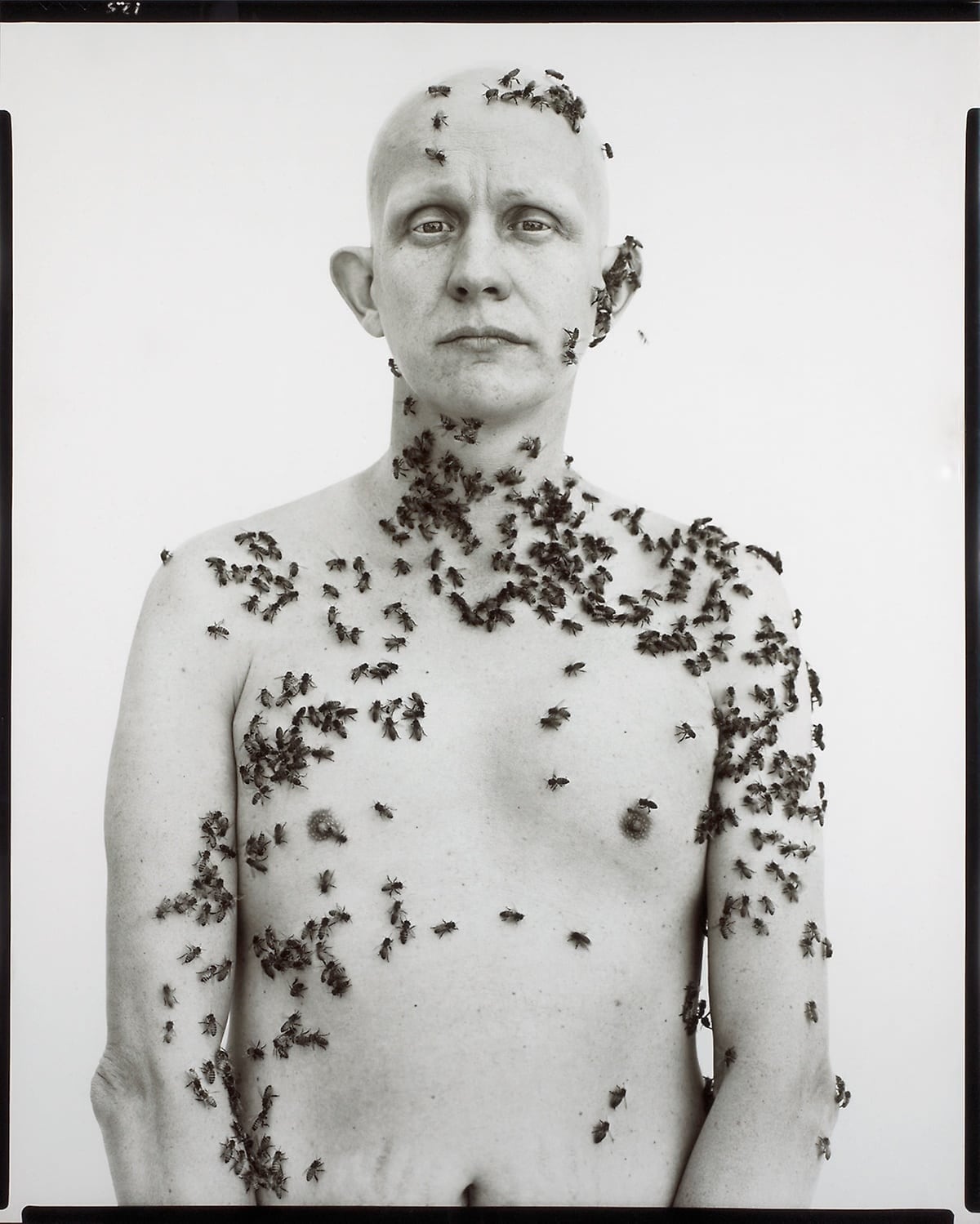
In his monumental portraiture projects (such as In the American West) Avedon turned his unblinking lens toward everyday workers, drifters, miners, and ordinary citizens. Stripped of celebrity status, these monumental prints exposed the lines of fatigue, dignity, and raw character etched into human faces.
Conversely, when photographing public figures, artists, and political leaders, Avedon often waited out their public mask. By maintaining silence or pushing them to the edge of comfort, he captured moments of profound psychological exposure that few other photographers could extract.
An Enduring Legacy
Richard Avedon’s work permanently shifted how we perceive fashion, identity, and photographic portraiture. He taught us that a photograph is not a neutral mirror, but a collaborative theater where the photographer and the subject negotiate truth. His clean, bold compositions and relentless pursuit of psychological honesty continue to inspire generations of visual artists who seek to look beyond the surface.


