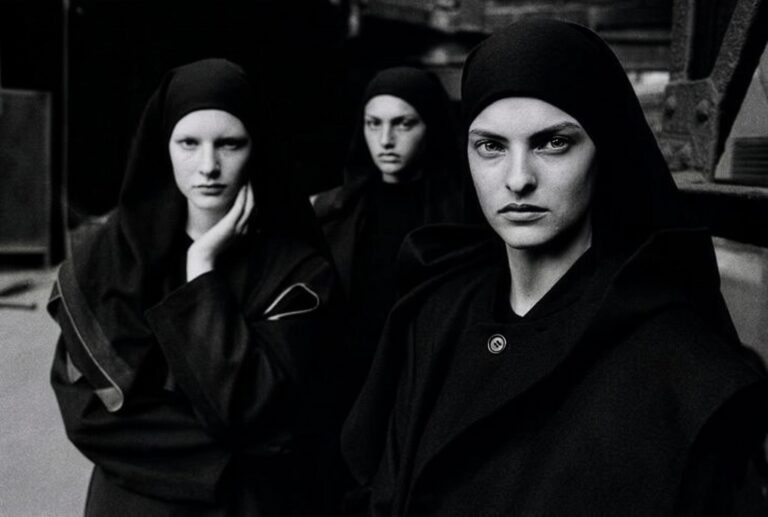
The Larger Canvas: Medium Format in Portraiture and Fashion
There is a distinct perceptual shift that occurs the moment you look through the viewfinder of a medium format camera. Whether it’s the expansive waist-level finder of a classic 6×7 analog body or the razor-sharp electronic preview of a modern digital sensor, the world inside the frame changes. Space feels deeper, transitions render more fluidly, and the subject is granted an undeniable presence.
In fashion editorial and portraiture, medium format has long been the gold standard: not merely because of raw megapixels or negative size, but because of how it interprets light, volume, and human emotion.
1. The Anatomy of the Look: Why Medium Format Feels Different
What photographers refer to as the “medium format look” is a combination of optical physics and psychological perception. A larger imaging surface (whether a 120 film negative or a large digital sensor) requires longer physical focal lengths to achieve the same field of view as full-frame or crop sensors.
Depth and Three-Dimensionality: Because of these focal lengths, the plane of focus is narrower at equivalent framing, rendering backgrounds with a smooth, painterly falloff (bokeh) that feels organic rather than artificially computed.
Tonal Gradation: The wider dynamic range and larger individual pixels capture subtle transitions in highlights and shadows. Skin tones don’t just shift from light to dark; they breathe through rich, multi-layered gradients.
2. In the Studio: Precision and Control
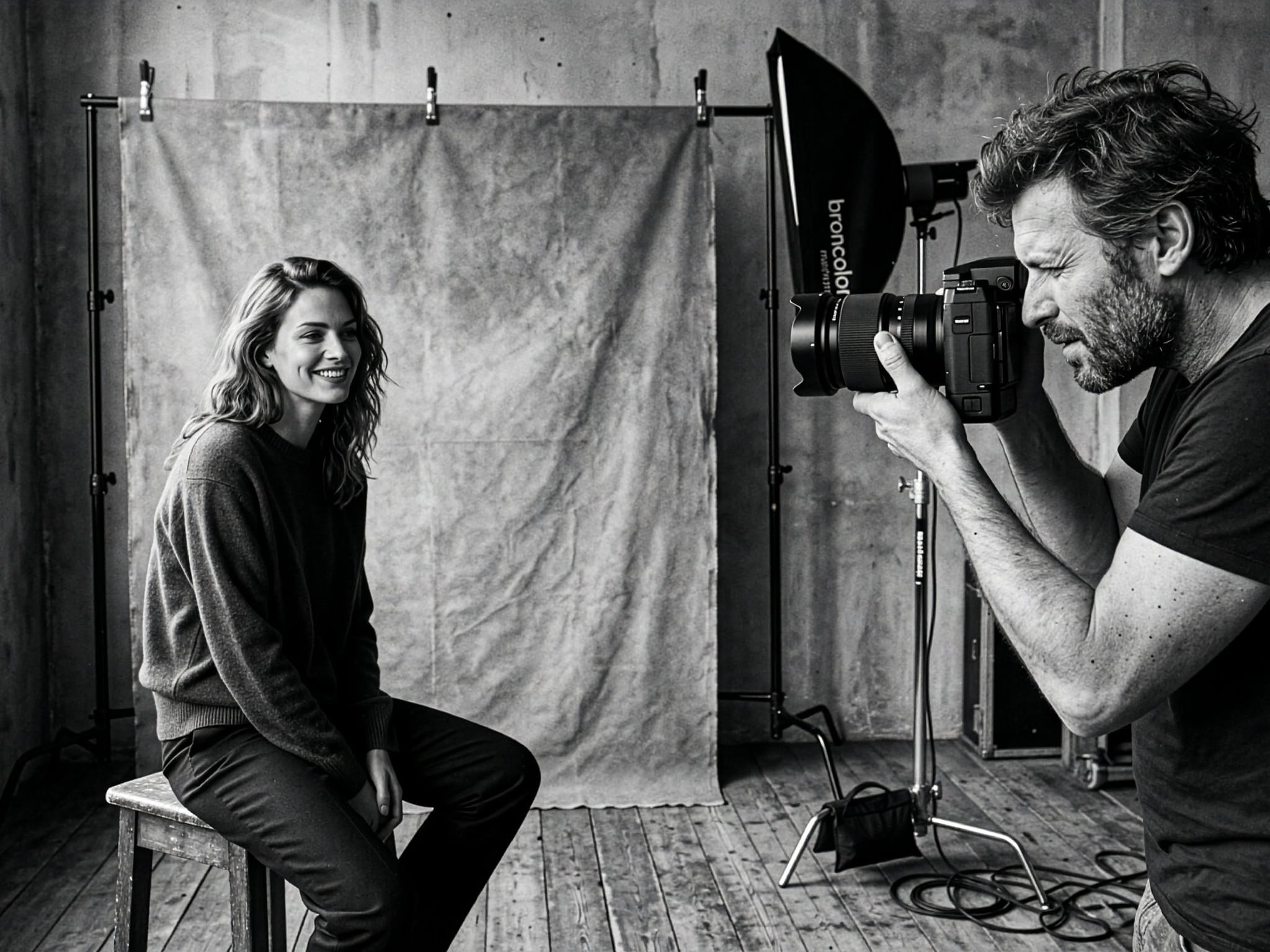
Working with medium format in a controlled studio environment demands intention. Whether shaping light with large softboxes, strip lights, or classical single-source modifiers, every adjustment is magnified by the sensor or film.
Pacing and Discipline: Traditional film medium format forces a slower cadence. With only 10 to 16 frames on a roll of 120 film, every click counts. It transforms a shoot from a frantic burst of frames into a measured dialogue between photographer and subject.
Studio Flash Integration: Modern digital medium format handles studio strobes with incredible fidelity, preserving deep shadow detail in garments and raw textures in fabrics without clipping highlights. It allows fashion stylists and lighting directors to see intricate textile weaves rendered with absolute clarity.
3. Outdoors and on Location: Embracing the Elements
Taking medium format out of the studio (into windy alleys, overcast coastals, or stark architectural spaces) is where its true versatility shines.
Conquering Harsh Light: Outdoor natural light can often be unforgiving. The expansive dynamic range of medium format sensors and traditional negative films handles high-contrast scenarios gracefully, rescuing details in shadowed garments while holding the texture of bright skies.
The Weight of Craft: Traditional medium format field cameras or medium-format digital systems are heavier and slower to operate than nimble mirrorless bodies. This very weight dictates a deliberate physical workflow: you scout the location more carefully, wait for the right diffusion of light through clouds, and compose with architectural precision.
4. Analog vs. Modern Digital: Two Sides of the Same Coin
The conversation around medium format often splits into a nostalgic debate between analog and digital, yet they serve the same artistic philosophy through different chemistry.
The Analog Soul: Shooting 120 film (whether in 6×6 or 6×7 formats) introduces organic grain, unmatched highlight latitude, and the tactile poetry of the darkroom. The final image is an physical artifact born of silver halides reacting to light.
The Modern Digital Edge: Contemporary digital medium format systems provide surgical precision, blistering high ISO performance, and flawless color science, all while retaining that unmistakable dimensional depth that separates medium format from smaller digital formats.
Final Thoughts
Medium format photography is less about technical perfection and more about scale and texture. It slows down the creative process, forcing the photographer to look deeper into the nuances of light, styling, and human expression. Whether captured on a roll of vintage film or a high-resolution digital sensor, the medium format canvas honors the subject with a timeless, monumental gravity. Every frame becomes an intentional dialogue between the artist and the world. This deliberate pace is ultimately what defines its enduring appeal.